
A Guide to Diamonds
The 4 Cs
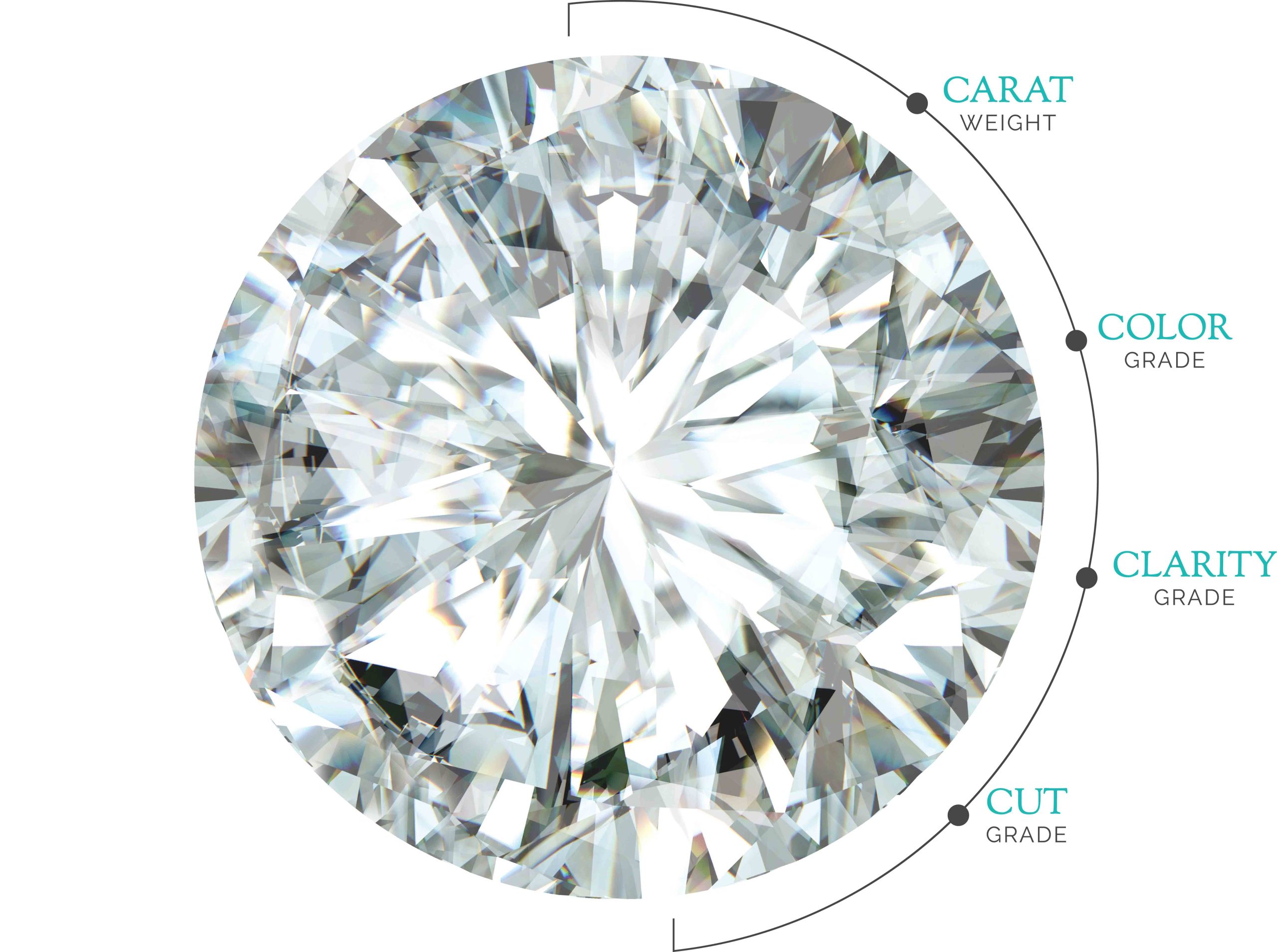
In this guide, we invite you to uncover the essential 4Cs of diamond quality: Cut, Color, Clarity, and Carat Weight.
These four elements form the bedrock of a diamond’s allure and value, coming together to fashion an emblem of eternal beauty and brilliance.
Below we’ll delve into the intricacies of the 4Cs to help equip you with the knowledge and confidence you need to select a truly exquisite diamond that you or your loved one deserves
1. The Cut: Grading a Diamond's Brilliance
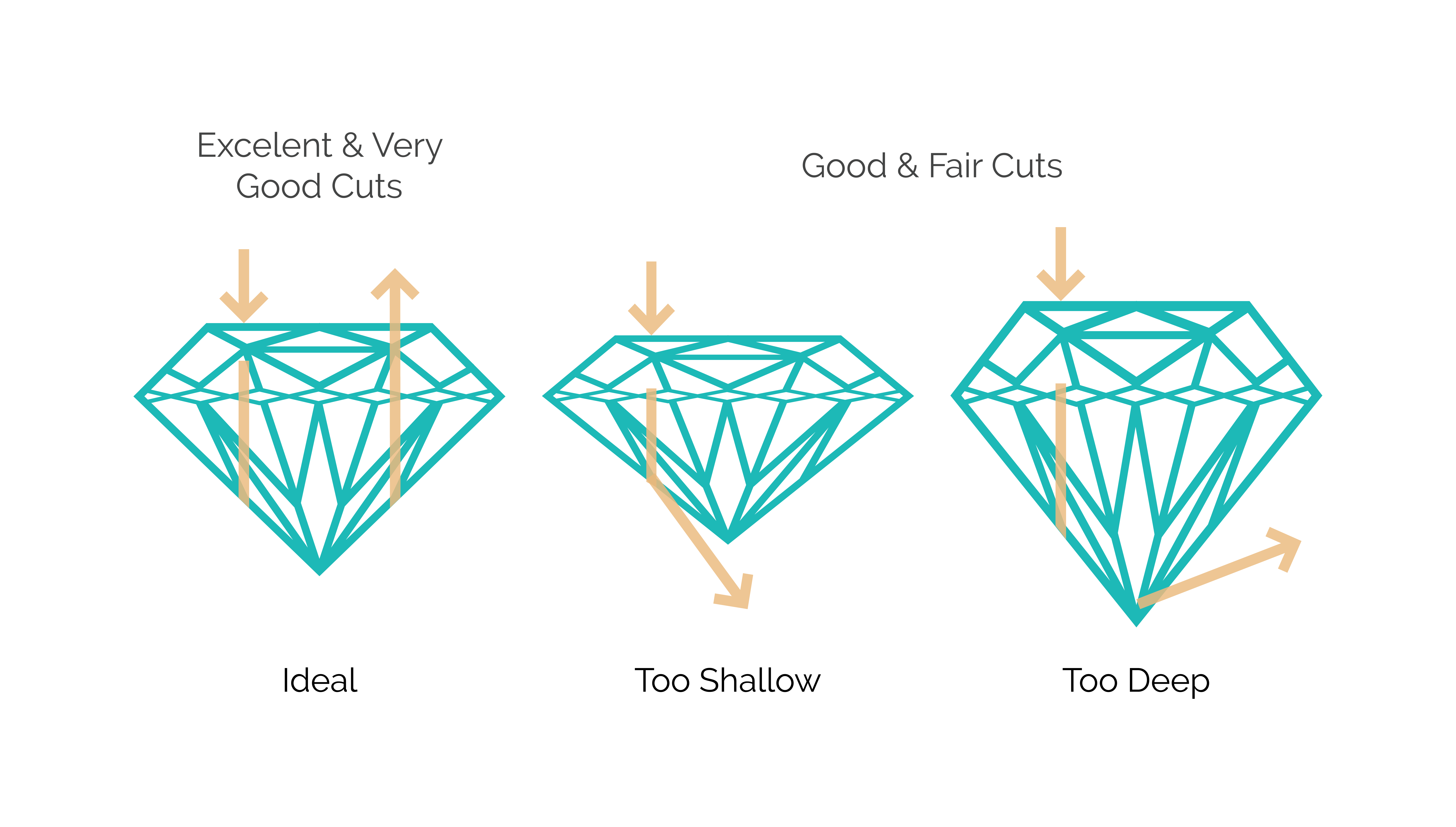
The cut of a diamond refers to how well the diamond has been cut and shaped from its rough form into a polished gemstone. Of the 4Cs, the cut quality has the most significant impact on a diamond’s beauty and sparkle.
The Gemological Institue of America grades diamonds according to 5 levels of cut grades: Excellent, Very Good, Good, Fair, and Poor. The higher the diamond quality, the better the refelection of light within it. Excellent and Very Good cuts products
Excellent and Very Good Diamond cuts reflect light in a way that maximizes its brilliance, fire, and scintillation, making the diamond appear more dazzling and visually appealing
While Good and Fair cuts may still produce diamonds with a decent amount of sparkle, they don’t produce nearly the same amount of brilliance or fire as Excellent and Very Good cuts. Poor cuts are the lowest quality diamonds – these cuts don’t product much brilliance at all, and are often visibliy dull and lackluster.
The higher the cut grade, the more adeptly the gemstone reflects light, showcasing the perfect harmony of nature’s beauty and the skill of the artisan. A well-cut diamond is a testament to the delicate balance of art and science.
Tip: Most of the diamonds on the market have ‘Excellent’ to ‘Very Good’ cuts. Diamonds with a ‘Poor’ cut grade will generally tend to appear lifeless and dull.
2. Color: The Correct Diamond Color Using Grade Range
Diamond color refers to the presence of any tint or hue in a natural diamond, typically ranging from colorless to light yellow or brown.
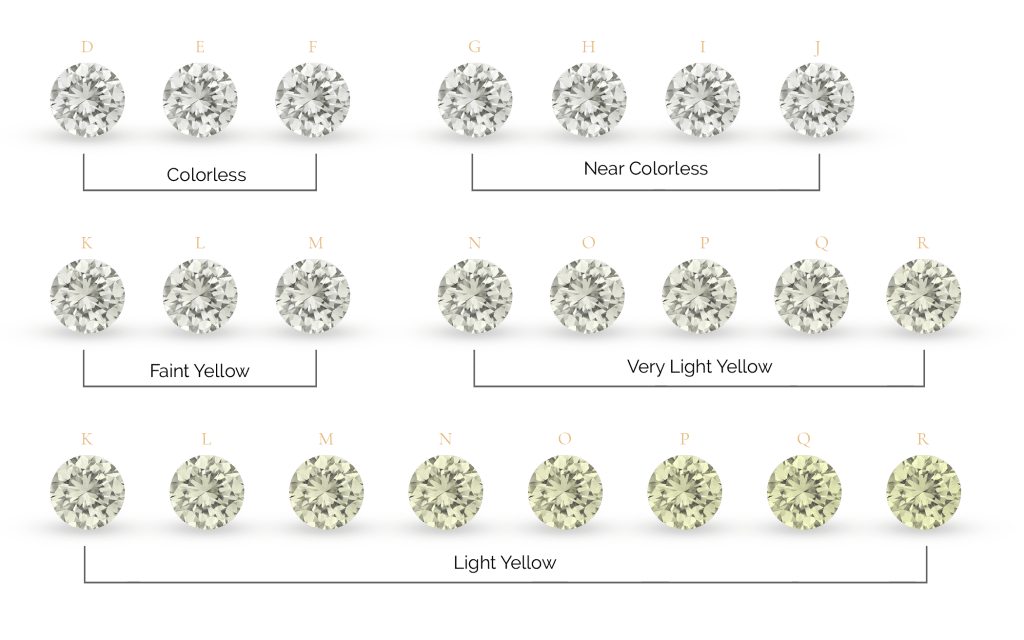
The GIA diamond grading scale assigns a letter grade from D (colorless) to Z (light yellow or brown).
Diamonds that are graded as D, E, or F are considered “colorless” or near-colorless and are generally the most valuable and desirable, as they allow the most light to pass through, maximizing their brilliance and fire.
As the scale progresses from G to Z, the presence of color becomes more noticeable, and diamonds with lower color grades may be less valuable and desirable.
It’s important to note that colors within diamonds are not necessarily an indicator of poor quality, though. In fact, some fancy colored diamonds can actually be worth quite a bit and be considered rare because of their unique hues. This is especially true for those diamonds that go past the Z grade, since they have enough color now to be considered “fancy”. This is the same case for those diamonds with other colored hues, such as blue, green or pink hued diamonds.
A Tip on Color:
Paired with the diamond’s color, it’s also important to choose a metal that goes along with the diamond itself.
White gold and platinum can complement and enhance the appearance of color-grade or grade diamonds, while yellow gold can complement diamonds with a warmer hue, making them appear more vibrant.
When choosing your diamond, you should consider the color grade that best suits your preferences and budget, as well as the desired metal for your piece as a whole.
Did you know that the appearance of color in diamonds can be due to the presence of trace elements, such as nitrogen, or structural defects in the crystal lattice?
3. Clarity: A Key Factor in Diamond Quality and Beauty
Diamond clarity is a critical aspect of a diamond’s quality and value, providing insight into the purity and overall integrity of the gemstone.
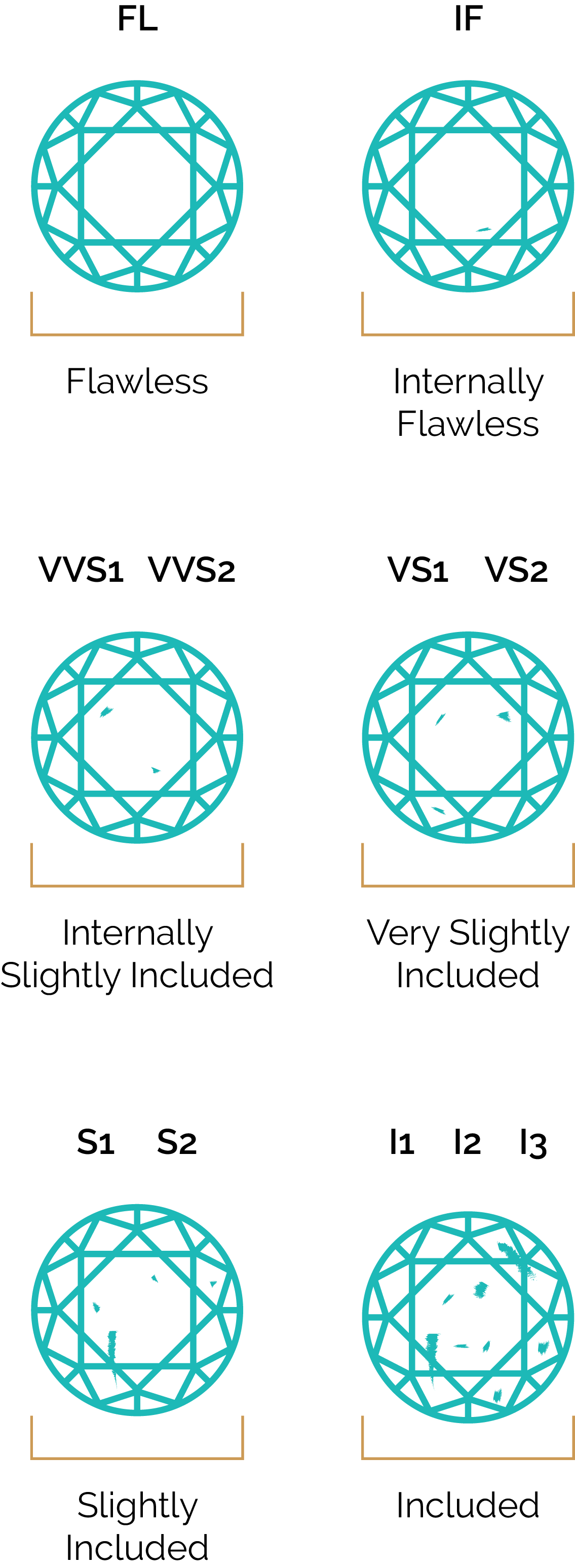
Essentially, clarity measures the presence or absence of natural imperfections within a diamond, known as inclusions, as well as any surface blemishes.
These imperfections are the result of the immense heat and pressure that diamonds experience during their formation deep within the Earth’s mantle, and they can manifest as tiny crystals, clouds, or fractures.
The Gemological Institute of America (GIA) has a clarity scale that ranges from Flawless (FL) to Included (I1, I2, I3).
The scale is as follows:
- Flawless (FL)
- Internally flawless (IF)
- Very, very slightly included (VVS1 and VVS2)
- Very slightly included (VS1 and VS2)
- Slightly included (SI1 and SI2)
- Included (I1, I2, and I3)
4. Carat: The weight of the Diamond Influence's the Price More than it's appearance
Carat weight is the unit of measurement used to describe a diamond’s size. One Carat is equal to 200 milligrams, or 0.2 grams
While larger diamonds may be more visually striking, it’s important to keep in mind that carat weight significantly influences the diamond’s price.
This is important to consider when choosing a diamond, since to get the best value for your purchase, it’s essential to balance out your budget with quality choices for the other Cs.
Which C is the Most Important?
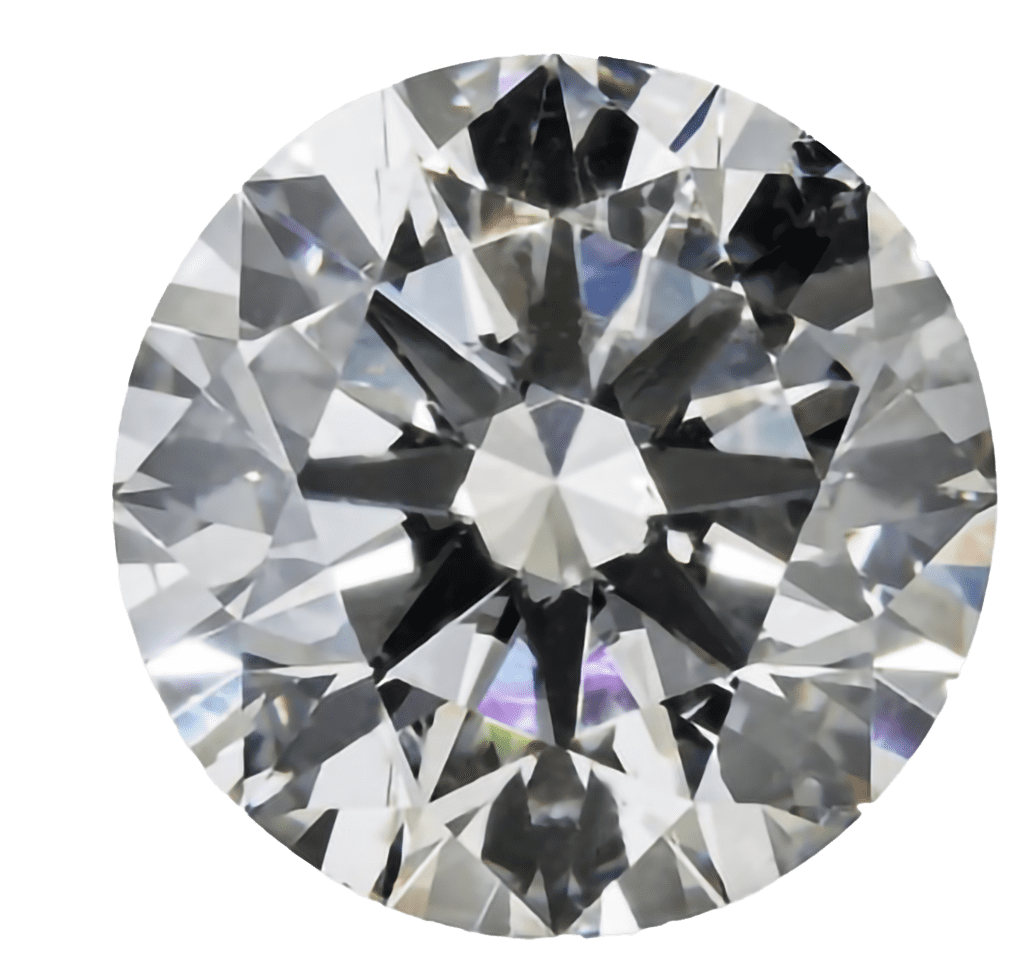
Although each of the 4Cs contributes to a diamond’s overall quality and value, the cut is generally considered to be the most important C.
If the diamond is expertly cut, the facets will work together in perfect harmony with light, enhancing the stone’s brilliance and making it truly sparkle to reveal the true beauty of the diamond.
A poorly cut diamond, on the other hand, may appear dull and lackluster, regardless of its other characteristics.
However, it’s important to note that personal preferences and priorities may vary, and some individuals may place more emphasis on other factors such as color, clarity, or carat weight based on their specific requirements and preferences. As always, with diamonds it’s not only important to consider the 4Cs of the piece, but also how your own heart feels about it as well.
A note on Diamond Shapes
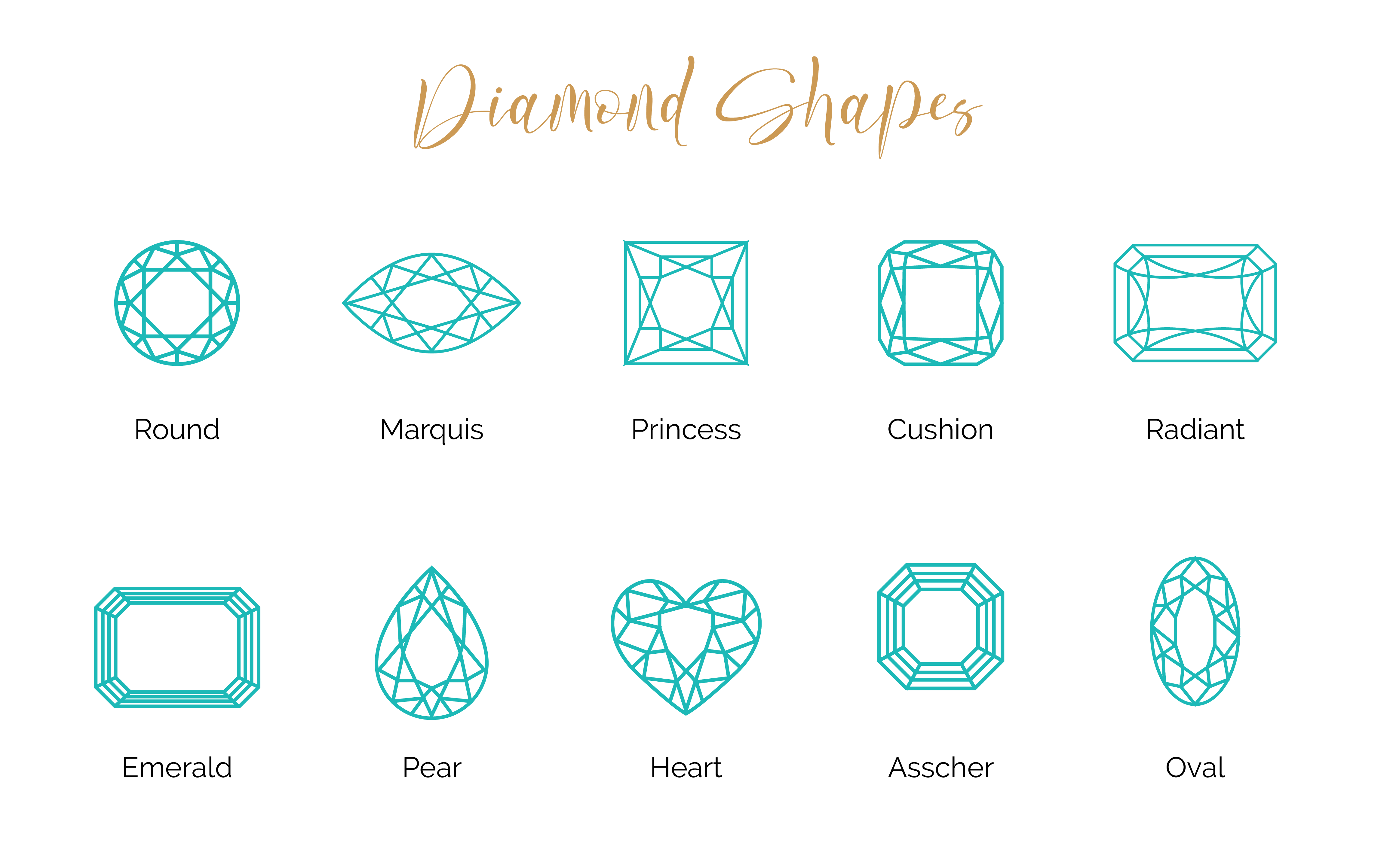
At the heart of an enchanting engagement ring lies the diamond’s shape, a pivotal factor influencing the ring’s ultimate aesthetic appeal.
From the timeless allure of round, princess, and cushion cuts to the distinctive elegance of emerald and pear shapes, a myriad of exquisite options awaits your discerning eye.
Though each shape boasts distinct attributes that influence the diamond’s cut quality, the paramount consideration lies in selecting a shape that harmoniously aligns with your tastes and sensibilities.
Here’s an interesting fact: the mesmerizing marquise cut, with its elongated, pointed ends, was inspired by the smile of the Marquise de Pompadour and was commissioned by King Louis XV of France!
We're here for You
When it comes to such an important decision such as choosing a diamond for your engagement ring, it’s important to consider all the facts while staying within your budget. Small differences in cut, clarity, color or carat that wouldn’t mean much to the eye, can bring about huge price increases for your wallet.
With this being said, it’s essential to balance all the Four C’s when you evaluate a diamond’s quality that’s right for you.
If you’re currently in the market for a diamond piece, feel free to stop by our local shop in Miami. With more than 30 years of experience in the industry, our team will be more than happy to help you navigate through the world of diamonds, to help you choose the perfect piece you deserve.